
Jambi, July 2025 – In Sungai Gelam, Muaro Jambi, 19 women gathered in the modest yard of the Multi Usaha Mandiri Cooperative. They sign their names that made Women Farmers Group / Kelompok Wanita Tani (KWT) Cemara came into being on July 15, 2025. What looked like a simple administrative moment was the culmination of a deeper transformation, intentionally nurtured through months of capacity building under I-CAN Transform initiatives, supported by the Canada-funded University of Waterloo FINCAPES Project.
For Sungai Gelam, peatland restoration has always been about more than repairing degraded land. It is about restoring the social fabric that sustains the landscape. That is why I-CAN designed their work with women at the center, integrating Gender Equality, Social Equity, and Inclusiveness (GESEI) into every step of the strategy. Evidence from across Indonesia shows that Women Farmers Groups often become anchors of social resilience, strengthening household economies and ensuring that ecological restoration is woven into daily life. Sungai Gelam was no exception.
Before the establishment of KWT Cemara, the women participated in a series of GESEI-focused trainings and participatory workshops. Many arrived unsure of what to expect; some had never spoken publicly in a community forum. But the training sessions created a space where women felt safe to express themselves, learn, and gradually see their own potential. One woman who used to sit silently at the edge of village meetings began to participate enthusiastically. She even started documenting her planting activities, taking photos with pride and confidence. The change did not go unnoticed. During the workshops, several men encouraged the women to speak up and take leadership roles, reflecting a quiet but meaningful shift in community dynamics.
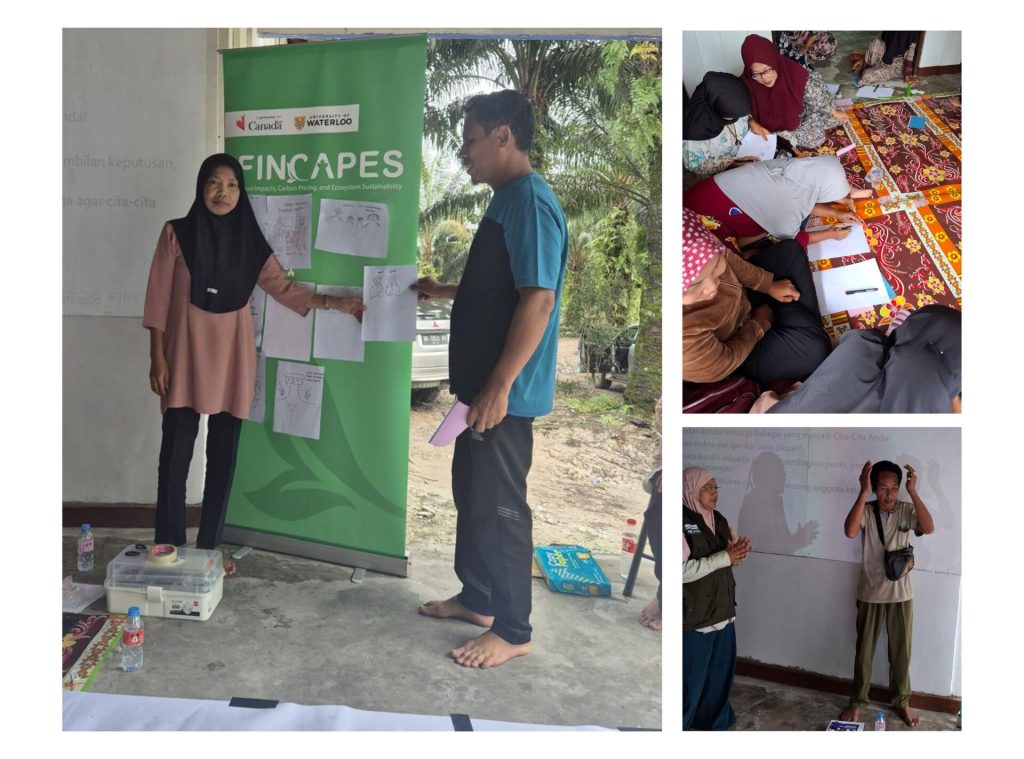
As the women grew more confident, the idea of forming a formal group gained momentum. The project helped them begin small livelihood activities by providing vegetable seeds and basic planting guidance. These first steps, simple yet symbolic, helped the women envision a collective future where their work could improve both family welfare and environmental health.
When the time came to formalize the group, the women chose the name “KWT Cemara” unanimously. They gathered at the cooperative office to finalize their Statutes (AD) and Bylaws (ART), discussing responsibilities, financial management, and the group’s long-term vision. Although the process was administrative, it represented something far more profound: a declaration that women in Sungai Gelam are ready to lead, organize, and shape the development of their own village. Legal recognition is essential for accessing training, funding, and government support, and the women approached the task with determination, knowing that this foundation would secure their place in future restoration and livelihood initiatives.
The group anchored itself on shared values of mutual cooperation, kinship, and self-reliance. These principles guided their discussions about strengthening skills, improving household income, and contributing to the village’s agricultural development. They also mapped out how their activities would be managed, how funds would be collected and used, and how transparency would be ensured. For many of the women, it was the first time they had engaged in formal organizational planning—an experience that strengthened their sense of ownership and capability.
Today, KWT Cemara stands not only as an agricultural group but as a symbol of what intentional empowerment can achieve. It reflects a strategy where women’s leadership is not an afterthought but a deliberate cornerstone of peatland restoration. As the I-CAN teams assist them in completing the documents needed for official registration, the group is preparing to step into a larger role in the village, one that connects ecological restoration, economic resilience, and gender equity.
The story of KWT Cemara shows that restoring peatlands is not just about planting seedlings or rehabilitating land. It is about nurturing confidence, strengthening community leadership, and ensuring that the people who rely on these landscapes—especially women—have the tools and authority to protect them. In Sungai Gelam, restoration is taking root in the hearts and hands of women who are now shaping a future that is more inclusive, resilient, and sustainable.