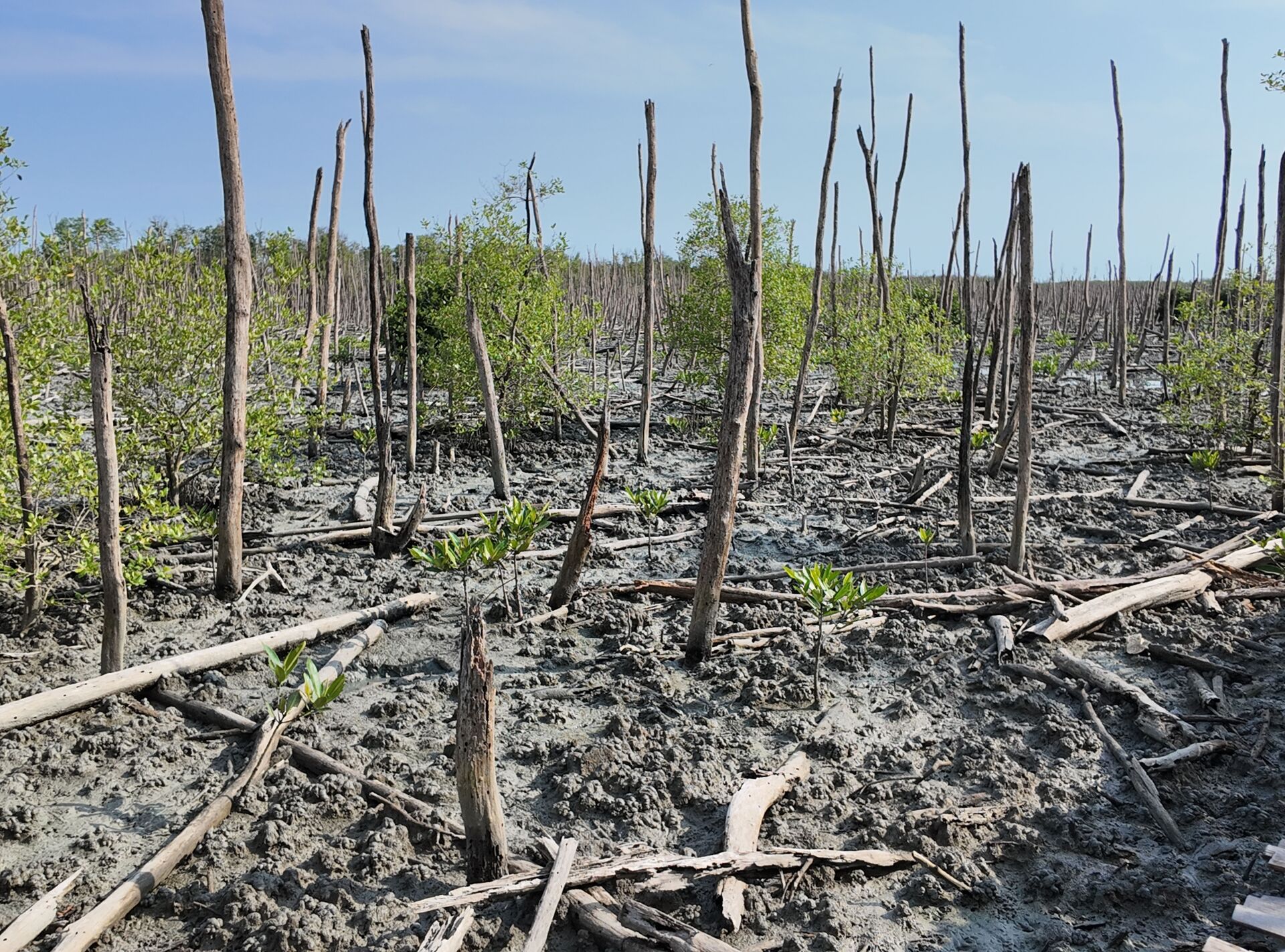
Across Indonesia, the signs of a changing climate are everywhere. Floodwaters rise faster, coastlines erode deeper, wildfires burn longer, and once-abundant ecosystems grow fragile. In the face of these growing threats, new alliances are emerging, built on science, collaboration, and the belief that solutions lie but within it.
This is the spirit behind the Collaborative Study Program on Nature-based Solutions (NbS), an initiative that brings together Indonesian researchers, universities, government institutions, industries, and civil society to rethink how we adapt to climate change. The program bridges science and action, showing how restoring and protecting nature can strengthen both ecosystems and the communities that depend on them.
Each study under this program tells a different story, of mangroves regrown, women leading disaster-resilient communities, bamboo adapted for coastal protection, and partnerships that connect local wisdom with scientific innovation.
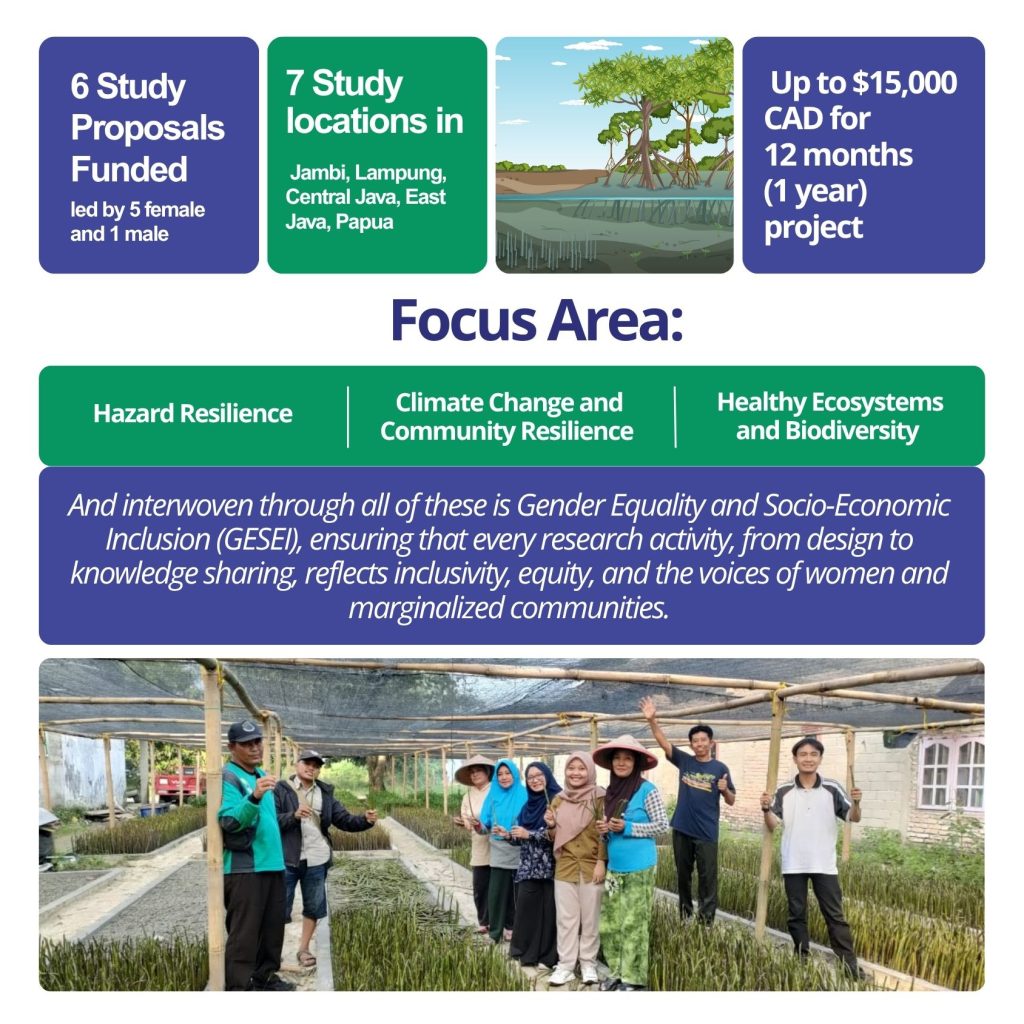
The Collaborative Study Program explores three key fronts where Nature-based Solutions can make a lasting difference. The first is hazard resilience, which looks at how forests, mangroves, and wetlands serve as natural shields against floods, erosion, and wildfires, protecting communities while nurturing the ecosystems that sustain them. The second is climate and community resilience, focusing on peatland and coastal landscapes where restoring ecosystems also restores livelihoods, as mangroves bring back fish, peatlands safeguard water, and both strengthen local economies. The third is healthy ecosystems and biodiversity, where research highlights how restoration and sustainable land use create harmony between people and nature, ensuring that both can thrive together.
Program Progress and Impact
The ongoing collaborative studies have begun to demonstrate tangible outcomes, including strengthened institutional partnerships, the development of community-driven NbS models, and improved understanding of ecosystem functions in supporting resilience. These projects are contributing new insights to policy and practice, reinforcing Indonesia’s leadership in implementing inclusive, evidence-based Nature-based Solutions.
By linking science, policy, and local action, this program continues to advance practical pathways for climate adaptation, biodiversity conservation, and sustainable livelihoods, showcasing how working with nature can secure a more resilient and equitable future for Indonesia.
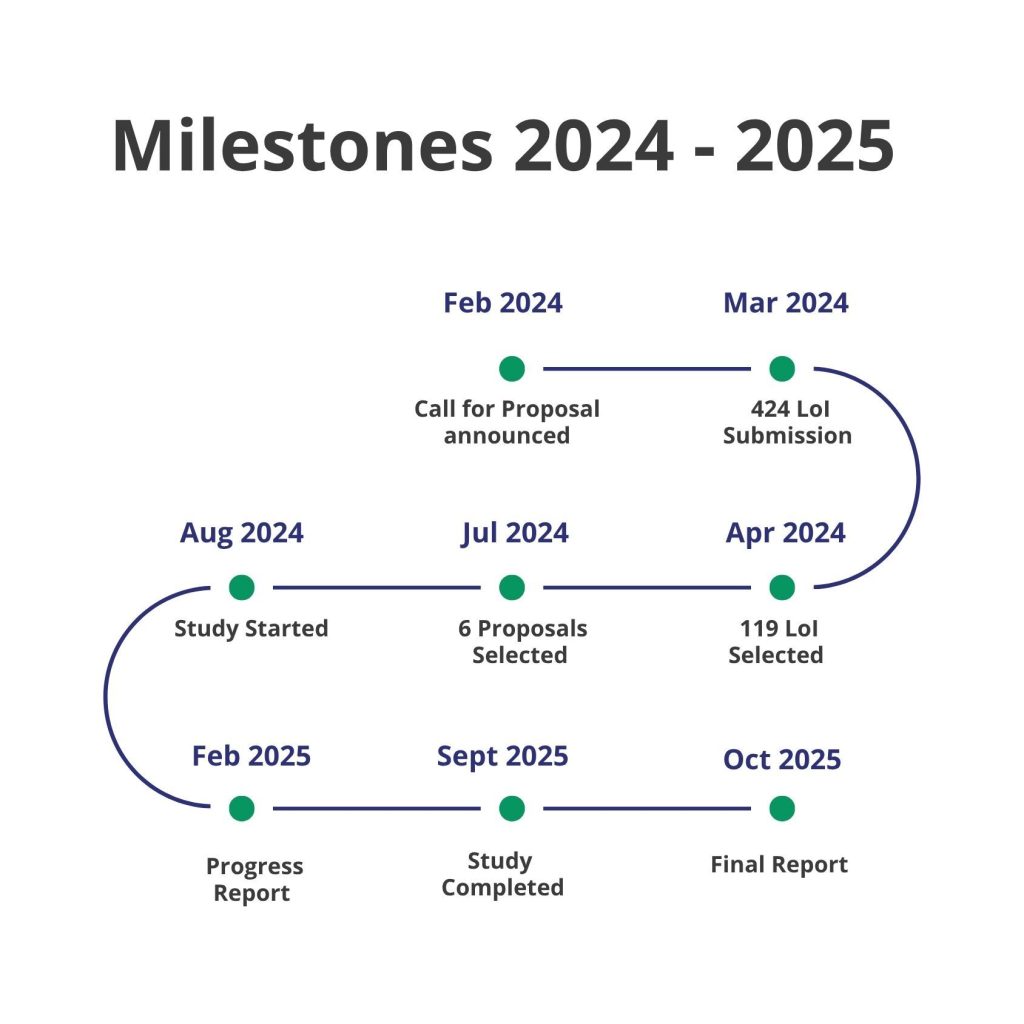
Stories from the Field
From Java’s tidal villages to Lampung’s mangrove coasts and Papua’s restoration frontiers, the studies under Round 1 reflect Indonesia’s incredible diversity, both in landscape and in ideas.
1. Perempuan Berdaya dan Tangguh: Kepemimpinan Perempuan dalam Membangun Ketahanan terhadap Bencana Banjir dan Rob untuk Pengurangan Risiko Bencana yang Responsif Gender dengan Solusi Berbasis Alam
Led by Prof. Dr. Rr. M. I. Retno Susilorini, S.T., M.T.
This study highlights the leadership of women in building resilience to flooding and tidal inundation. By integrating gender perspectives into disaster management, the team demonstrates how empowering women strengthens community preparedness and reduces risk through Nature-based Solutions.
2. Gender Equity in Mangrove Restoration and Conservation: Strengthening Resilience and Empowering Communities in Bedono Village, Demak, Central Java
Led by Prof. Dr. Tri Retnaningsih Soeprobowati, M.App.Sc.
In Demak’s coastal village of Bedono, where land loss from rising seas has forced communities to adapt, this study explores how gender equity in mangrove restoration contributes to both ecological recovery and social empowerment, positioning women as key agents of change in climate resilience.
3. Membangun Masyarakat Mangrove: Memetakan Potensi Peningkatan Kapasitas Multi-Stakeholder untuk Tata Kelola Lanskap Pesisir Berkelanjutan
Led by Dr. Maharani Hapsari
This research maps the complex relationships between local communities, businesses, and policymakers in managing coastal ecosystems. By identifying opportunities for capacity-building and collaboration, it paves the way for more inclusive, multi-stakeholder governance of Indonesia’s coastal landscapes.
4. Guardian from Coal Ash for Mangrove Conservation in East Java and Papua
Led by Dr. Januarti Jaya Ekaputri
This innovative study investigates the potential use of coal ash, a by-product of industry, as a material to support mangrove restoration. Conducted in East Java and Papua, it explores how circular economy principles can turn industrial waste into ecological solutions.
5. Adaptasi Pemanfaatan Bambu Berkelanjutan untuk Konstruksi Bangunan Pantai dalam Mendukung Ketahanan Ekosistem dan Pemberdayaan Masyarakat di Kawasan Mangrove Provinsi Lampung
Led by Dr. Fifi Gus Dwiyanti, S.Hut., M.Agr., Ph.D.
Proyek ini bereksperimen dengan pemanfaatan bambu yang berkelanjutan untuk pembangunan di wilayah pesisir di Provinsi Lampung yang kaya akan hutan mangrove. Memadukan keahlian tradisional dengan desain berbasis ekosistem, proyek ini menawarkan model untuk memperkuat kelangsungan hidup masyarakat sekaligus melindungi habitat alam.
6. Development of a Comprehensive Mangrove Ecosystem Quality Health Index
Led by Prof. Dr. Ir. Cecep Kusmana, M.S.
Berbekal pengalaman puluhan tahun dalam penelitian mangrove, tim Prof. Kusmana mengembangkan indeks standar untuk mengukur kesehatan ekosistem mangrove di seluruh Indonesia. Alat ini akan membantu pembuat kebijakan dan praktisi memantau kemajuan restorasi serta memastikan hasil yang berkualitas demi keberlanjutan jangka panjang.